
Integrated port engineering
Consulting, projects, implementation, commissioning and assisted operation advance under the same technical vision.
Digital transformation for smart ports and terminals
Engineering, infrastructure, automation, connectivity, security and intelligence in a single architecture for port operations.
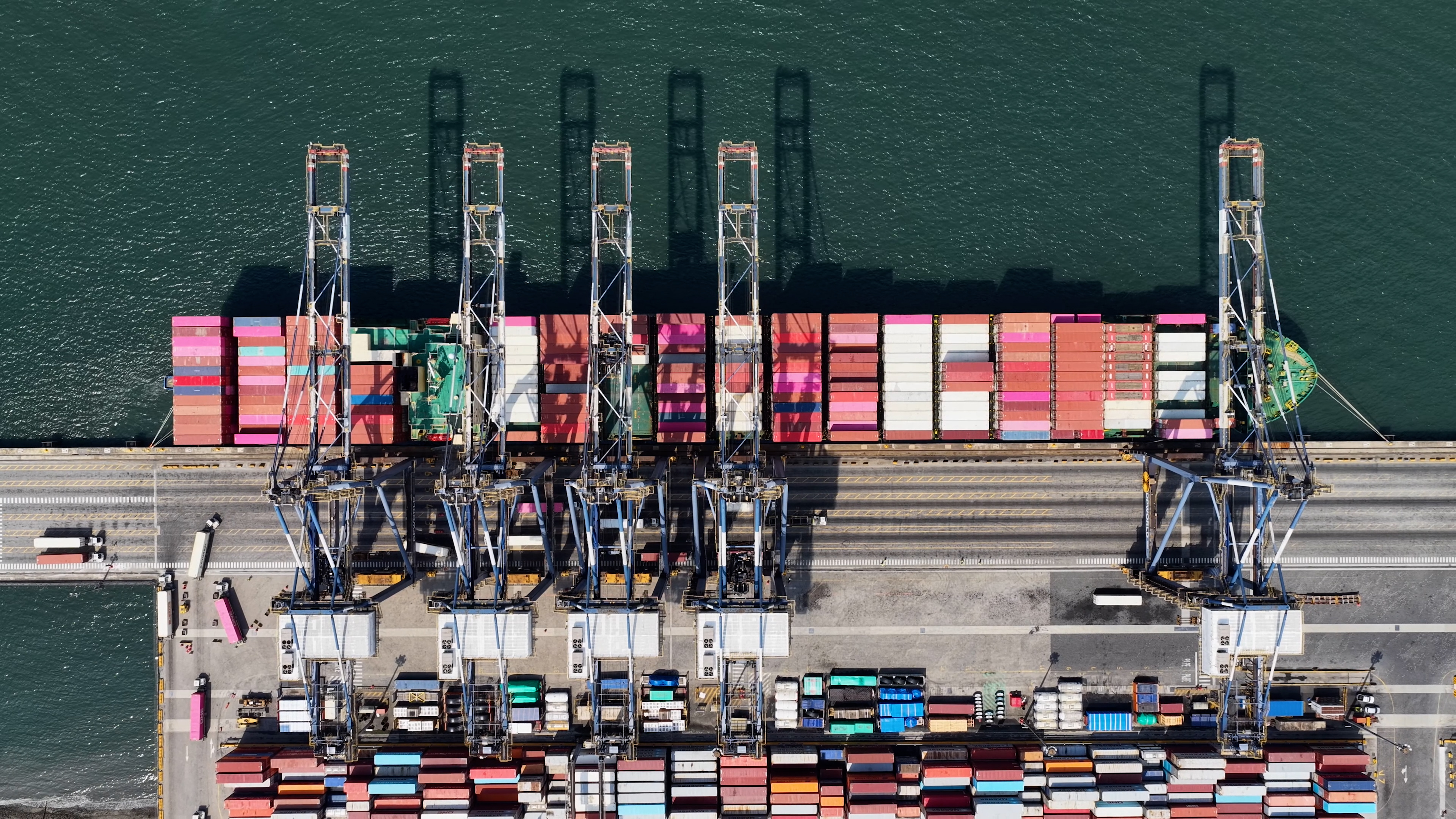
SmartPorts brings together ConsulData's experience in ports, terminals, customs facilities, logistics operators and other critical infrastructures to connect all stages of the technological journey.
The solution combines methodologies, platforms and technologies to integrate physical infrastructure, networks, operational automation, electronic security, Operation Centers, Artificial Intelligence and cybersecurity into a coherent architecture.
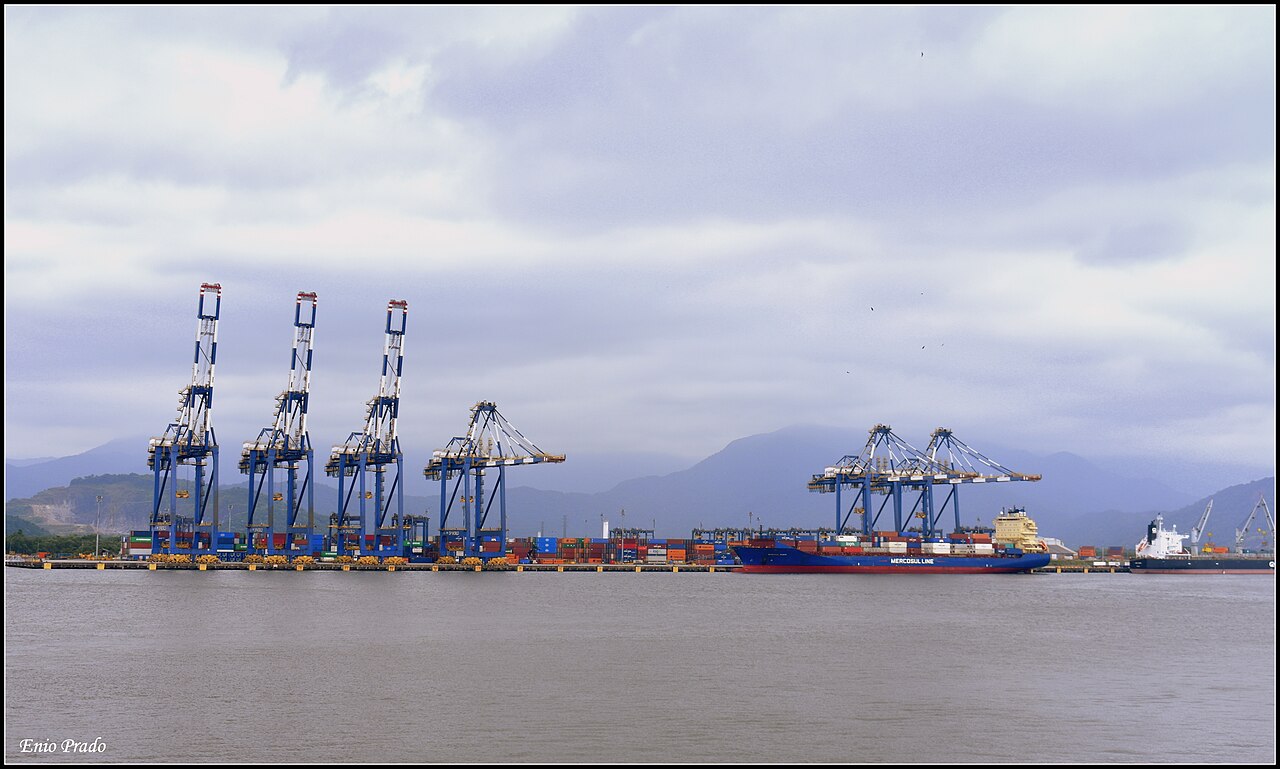
Consulting, projects, implementation, commissioning and assisted operation advance under the same technical vision.
Gates, yards, equipment, networks, sensors and corporate systems share information in real time.
The architecture considers operational, customs and protection requirements from the initial stages of the project.
We deliver projects from conception through assisted operations, including conceptual, basic, and detailed designs, implementation, commissioning, and continuous support. Throughout our history, we have also developed strategic projects for representative organizations within the port community, contributing to the modernization of the technology infrastructure that connects operators, terminals, government agencies, and other participants across the logistics chain. This work has given us a broad understanding of how the sector operates and strengthened our ability to develop interoperable solutions aligned with the operational and regulatory needs of Brazilian ports.
Our experience includes implementing solutions aligned with the requirements of the Brazilian Federal Revenue Service (RFB), COANA ordinances, CONPORTOS, the ISPS Code, and other standards applicable to bonded facilities and port installations. This ensures that infrastructure is designed from the outset to meet security, control, traceability, and operational continuity requirements, in compliance with Brazilian law and the specific characteristics of each facility.
Each front can be implemented in a coordinated manner with the others, preserving interoperability and preparing the environment for future developments.
Technical support from the initial studies through approval and the project’s start of operations. A team specialized in deploying, expanding, and modernizing Organized Ports, Private Use Terminals (TUPs), REDEX facilities, CLIAs, EADIs, CECOMs, Logistics Centers, and other facilities subject to customs control, supporting clients from feasibility studies through the project’s start of operations.
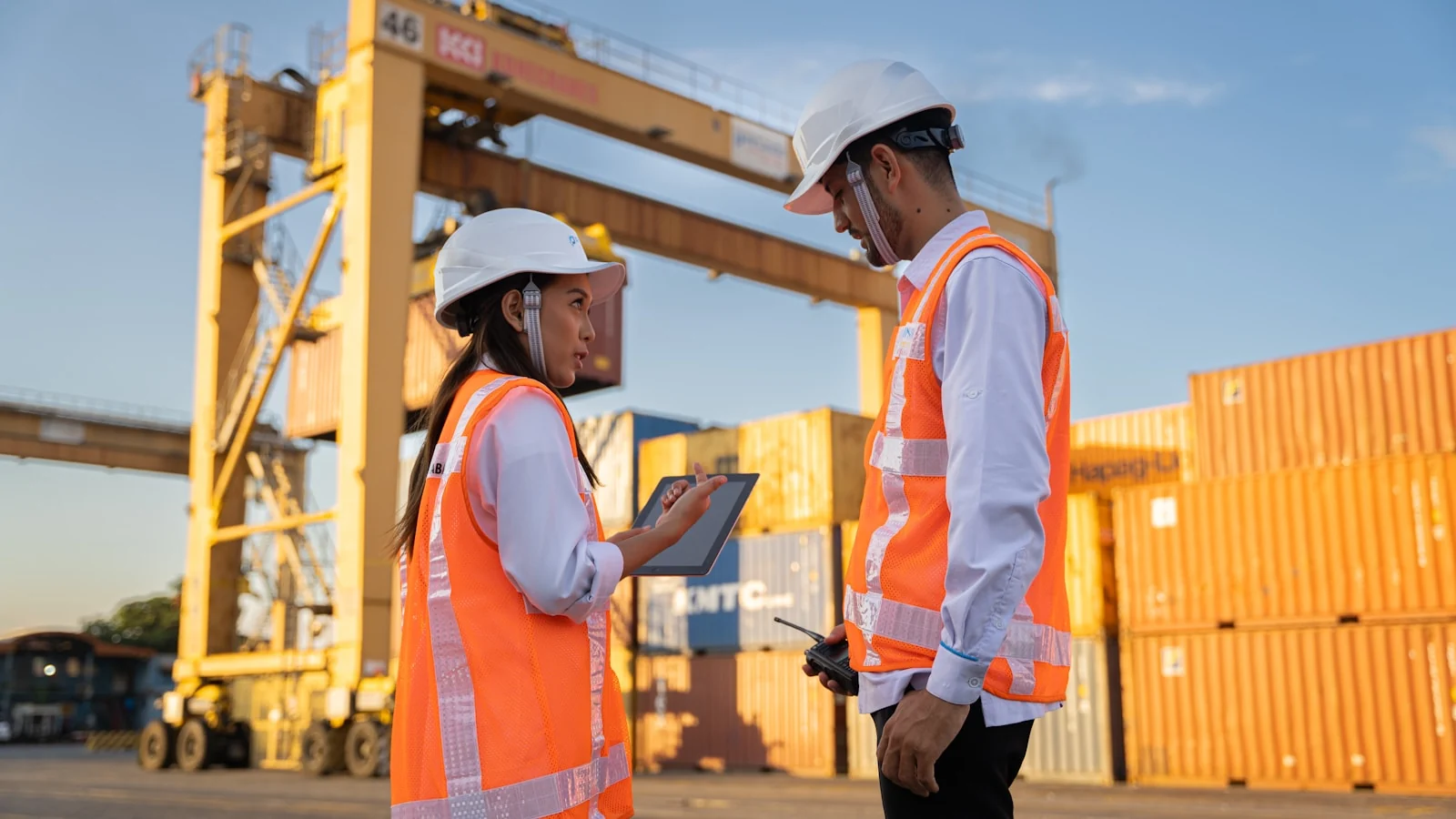
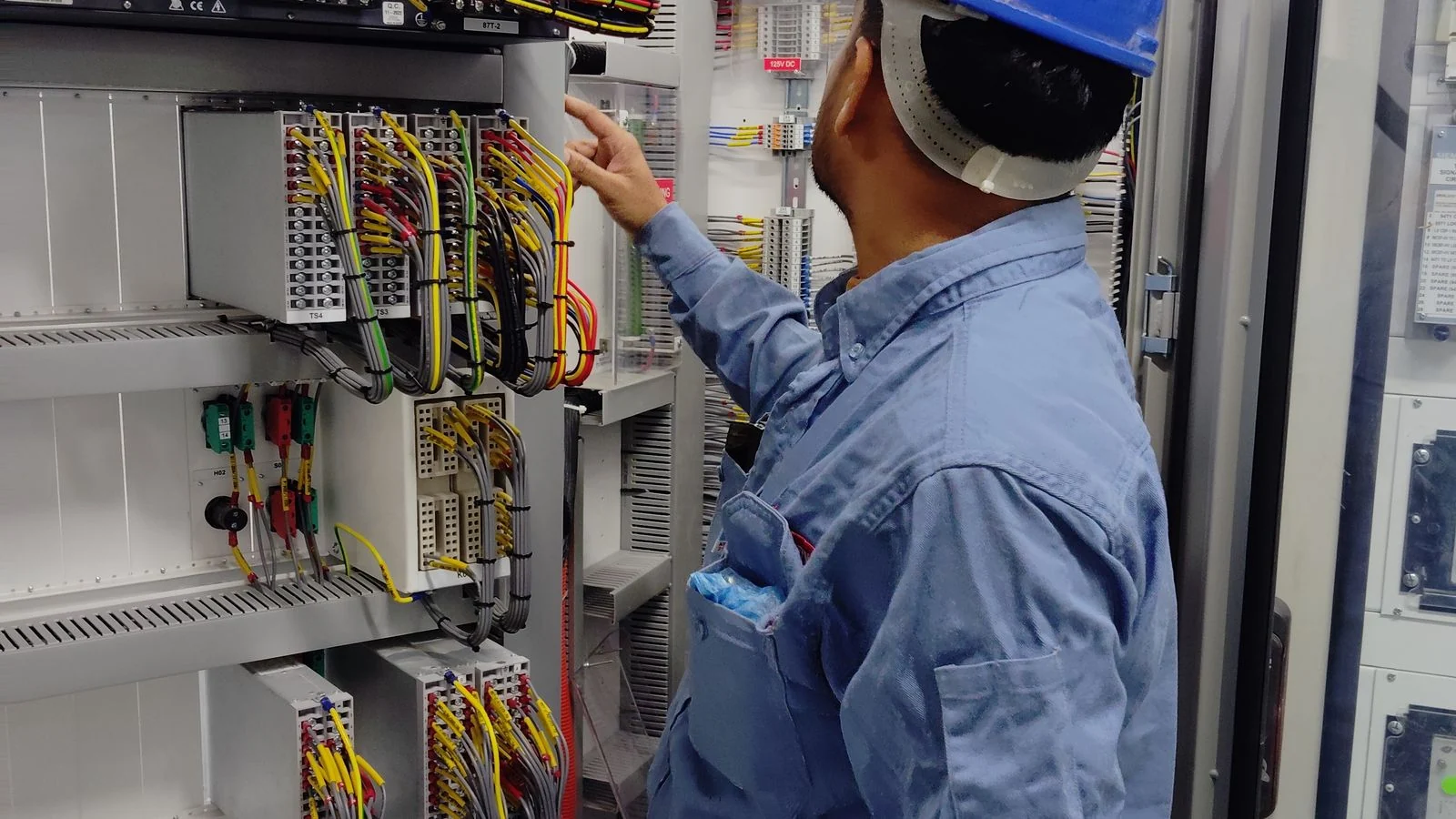
We design and deploy all the infrastructure required to support modern port operations. Electrical and technological infrastructure and minor civil works are sized for large areas and demanding environmental conditions.
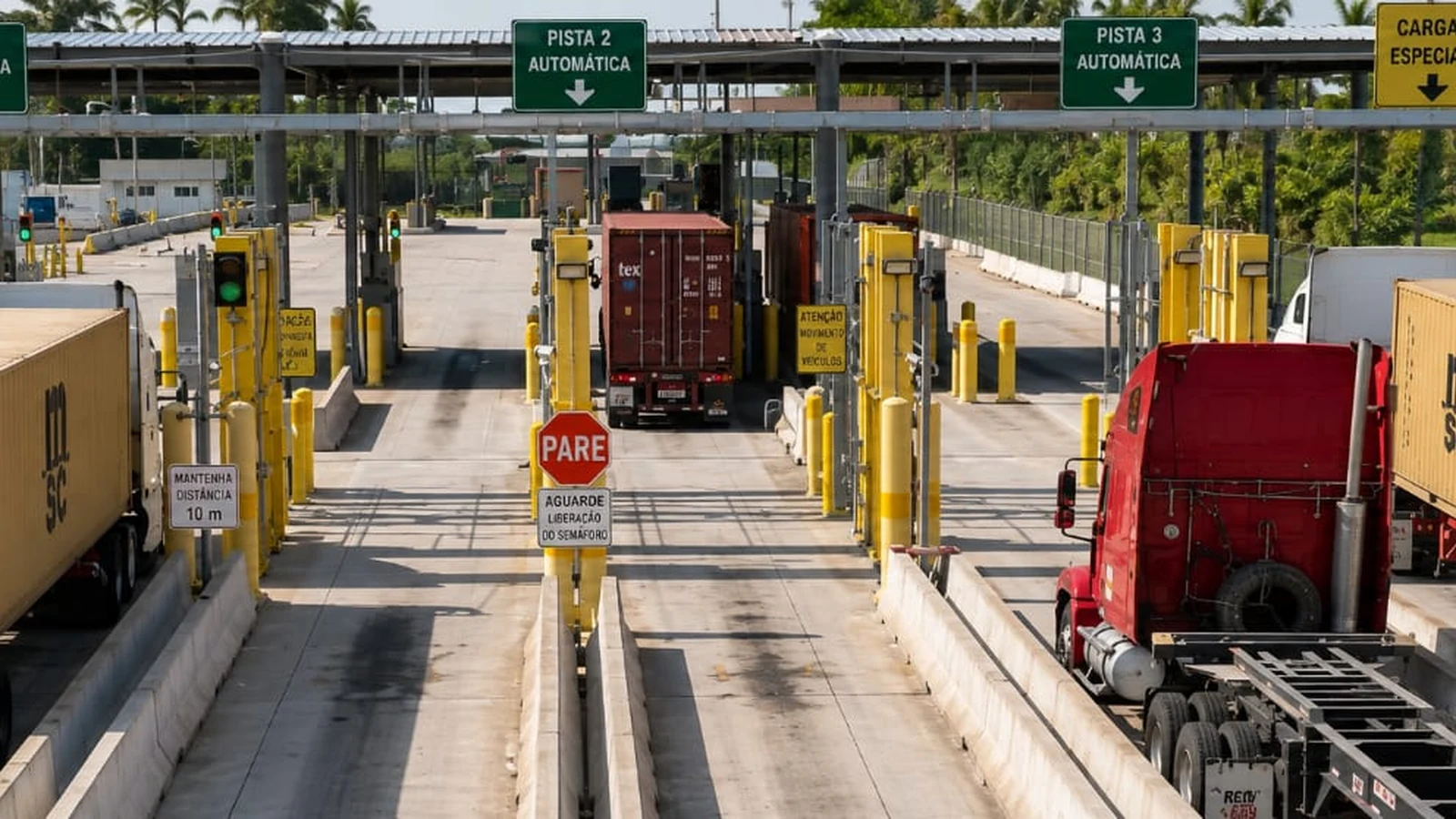
Identification and control technologies integrate and automate vehicle and cargo flows from entry to exit. The result is greater agility, productivity, and operational safety, with fewer queues and shorter waiting and dwell times.
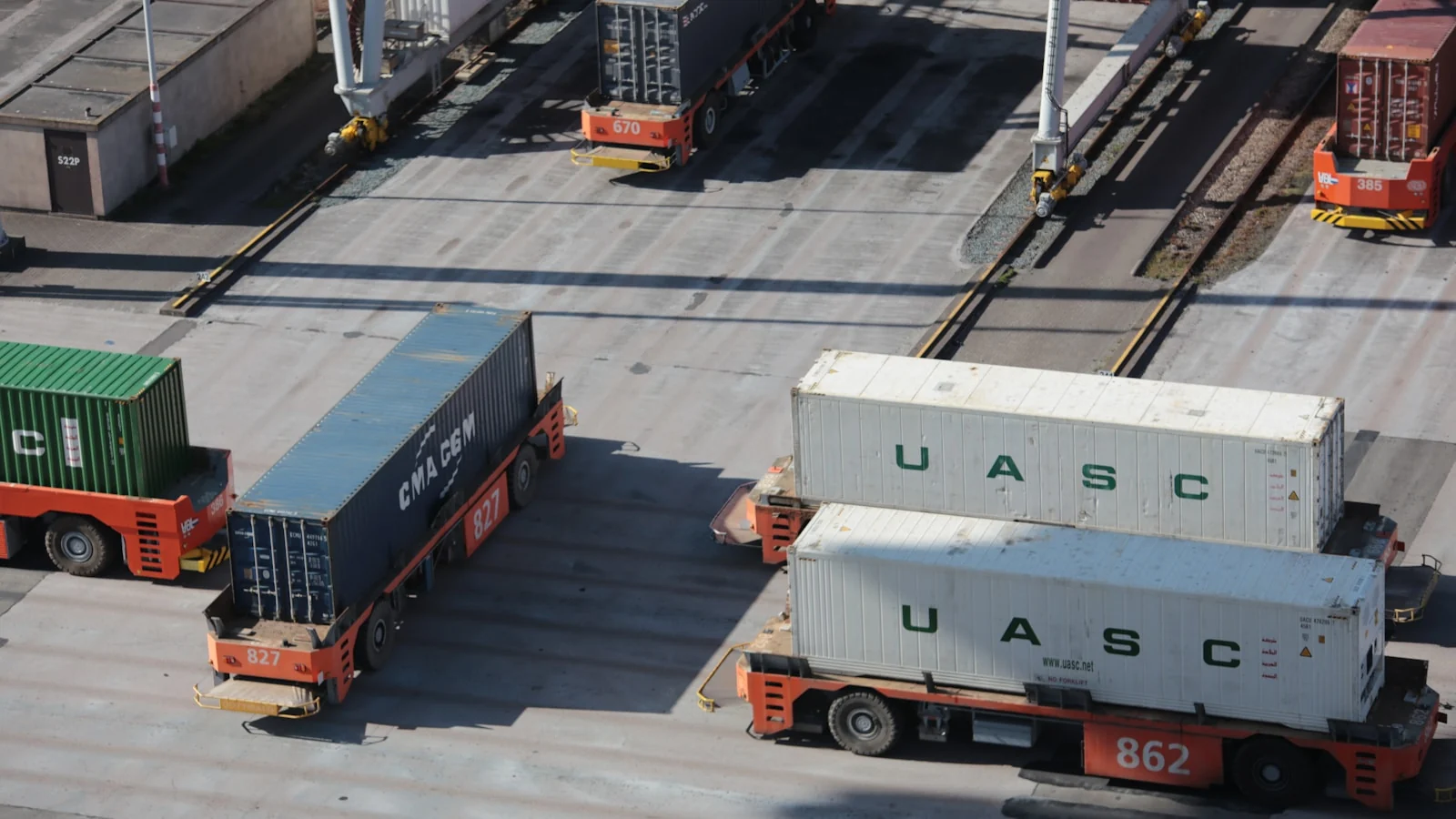
Connectivity, telemetry, and integration increase visibility and control over operational machinery and assets. Real-time data makes it possible to anticipate maintenance, optimize processes, and enable remote command and control, paving the way for increasingly autonomous and intelligent operations.
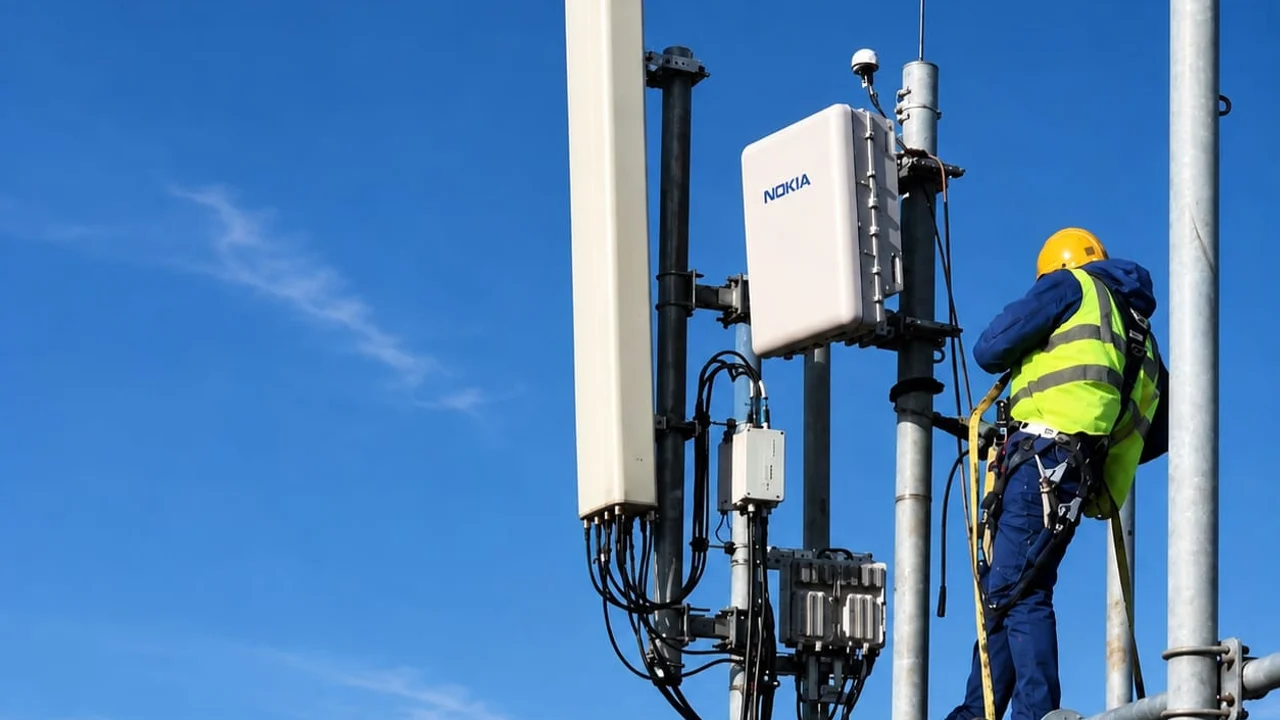
Port operations require continuous connectivity. These technologies enable uninterrupted communication among mobile data collectors, industrial tablets, port equipment, IoT sensors, operational vehicles, and corporate systems, laying the foundation for highly automated operations and semi-autonomous terminals.
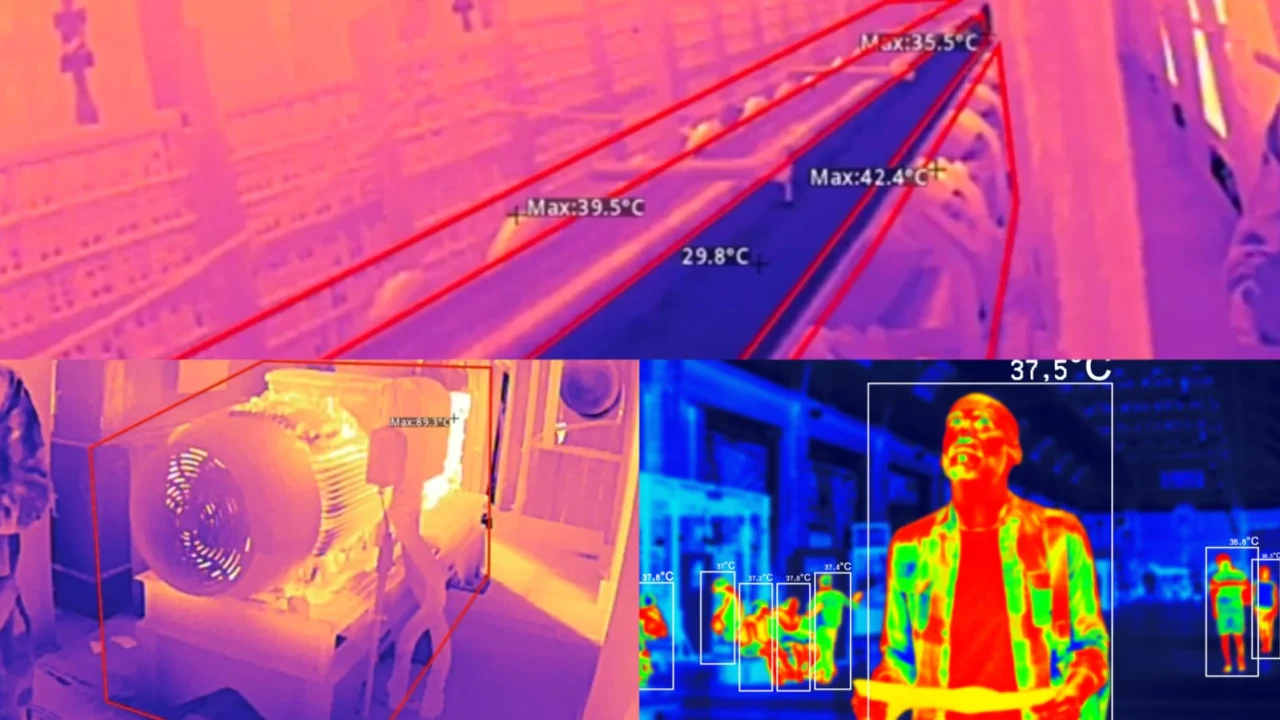
Thermal imaging cameras and advanced algorithms transform images into operational data, automating inspections, identifying events, and increasing operational efficiency. With Artificial Intelligence, information is processed in real time and automatically integrated with operational systems and executive dashboards, supporting faster and more accurate decisions.
Advanced detection technologies for physical security and large-area monitoring can identify suspicious movement, intrusion attempts, unauthorized vessels, and potential cargo violations, increasing security and situational awareness across land and maritime environments.
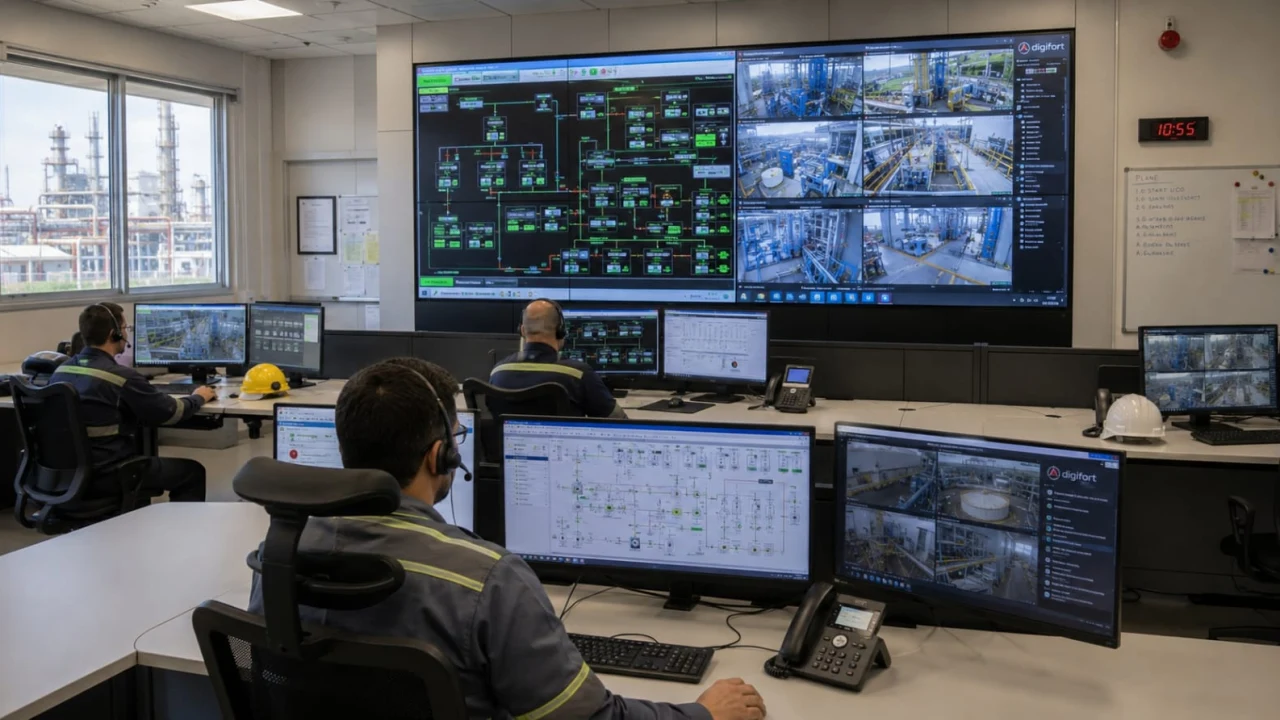
Technical and operational information converge in integrated command, control, and decision environments. ConsulData designs and implements CCOs, CCSs, NOCs, SOCs, and Integrated Operations Centers, combining video walls, dashboards, maps, AI, and systems integration to increase visibility, accelerate responses, and support strategic decision-making.
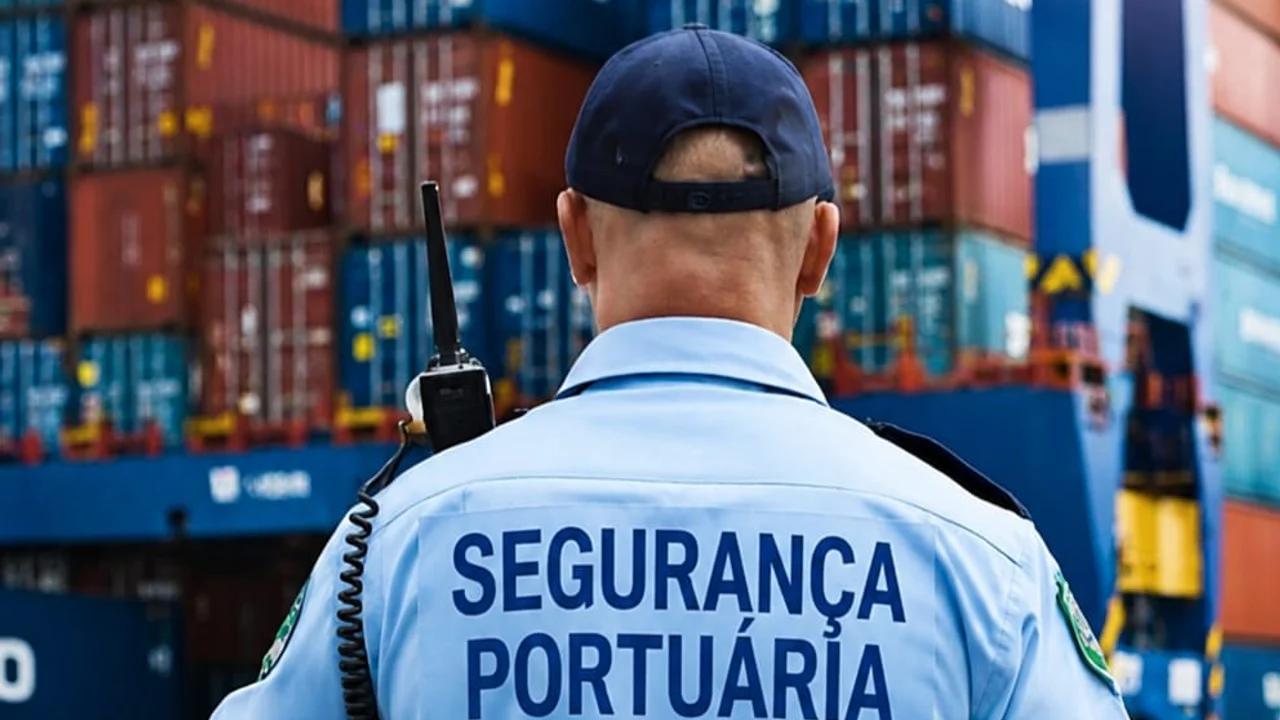
People, assets and port flows are protected through an integrated prevention, monitoring and response strategy. ConsulData develops physical security solutions with access control, armories, body cameras for armed patrols, video surveillance, drones and detection technologies, strengthening protection, traceability and operational response.
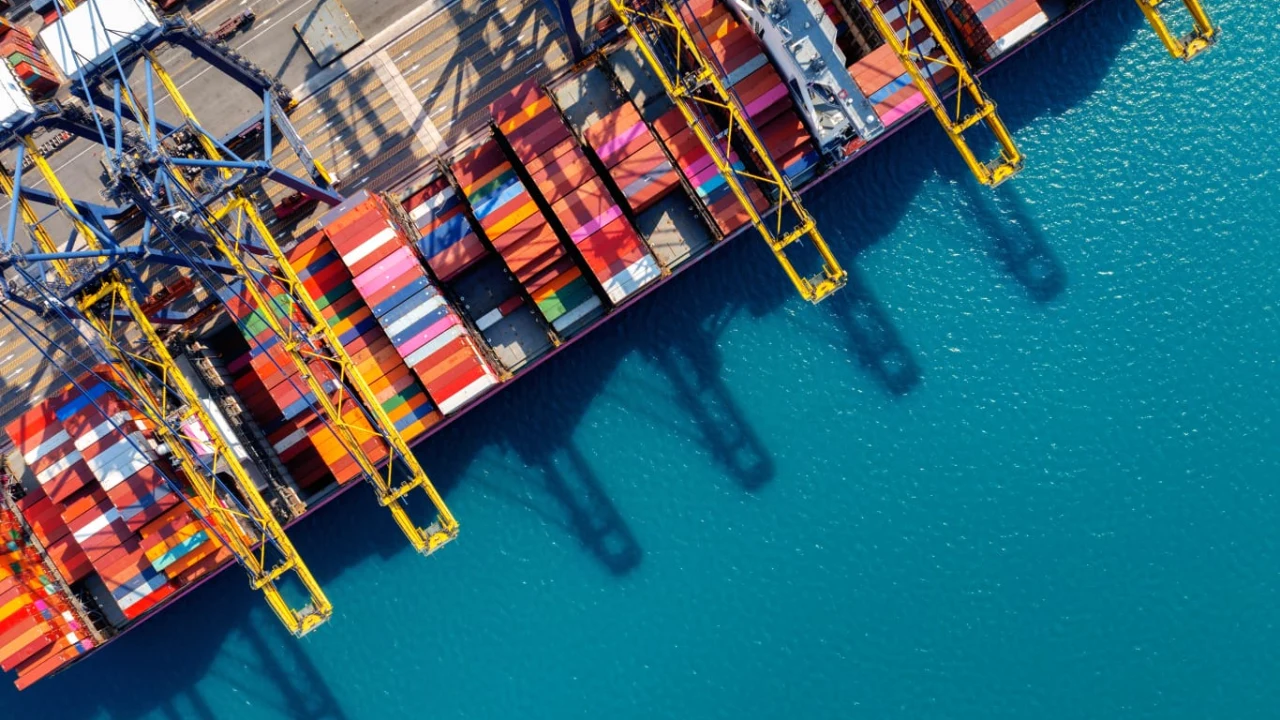
SmartPorts represents the convergence of engineering, infrastructure, connectivity, automation, artificial intelligence, digital platforms, and cybersecurity.
Rather than supplying isolated equipment or systems, ConsulData designs and integrates a complete technology ecosystem prepared to meet the demands of modern ports and support the transition toward increasingly connected, intelligent, secure, and automated operations.
By combining more than three decades of experience in the port sector with state-of-the-art technologies, SmartPorts turns data into intelligence, increases productivity, strengthens security, ensures regulatory compliance, and lays the foundation for the next generation of Smart Ports.
A continuous journey, from reading the environment to the evolution of the operation.
Objectives, constraints, risks, and the existing environment guide the starting point.
Disciplines, technologies and integrations gain a coherent and scaled solution.
Execution, testing, documentation and transition progress in a coordinated manner until go-live.
Indicators, support and new demands guide the continuity and improvement of the environment.
Automation and integration reduce manual steps and improve coordination between gates, yards and systems.
Telemetry, events and indicators now support decisions with shared context.
Land, sea, physical and digital technologies work in a coordinated way.
An interoperable architecture creates space for new automations, integrations, and capabilities over time.
Share the terminal's challenges with our engineering and structure an integrated modernization journey.