
Situational awareness
Systems, events and indicators converge into a shared vision of the operation.
Environments to monitor, decide and respond
Infrastructure, visualization, ergonomics, systems and data brought together in environments prepared to support continuous operations and critical decisions.
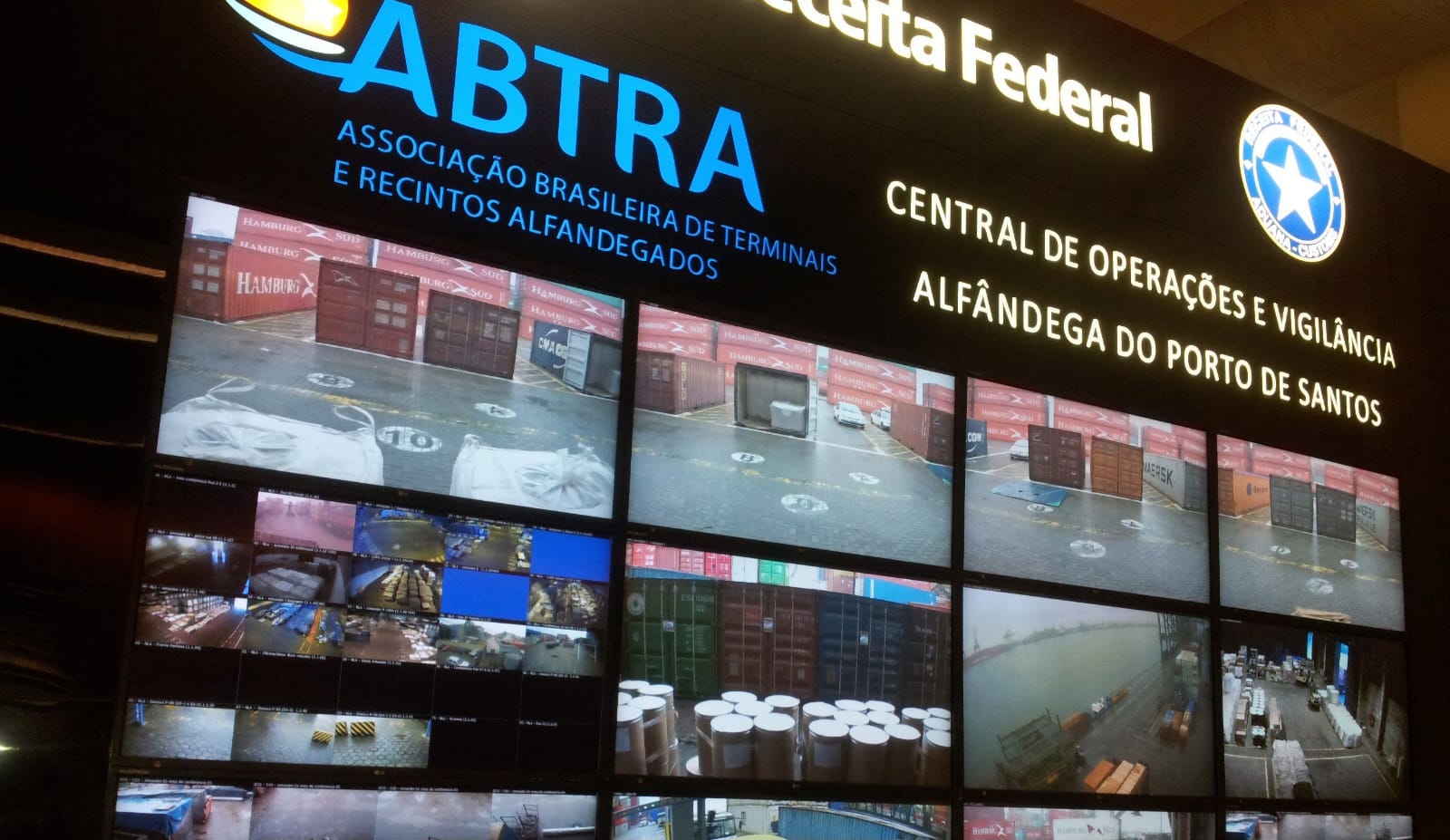
ConsulData designs and integrates Operation Centers that connect architecture, physical infrastructure, technology, ergonomics and operational intelligence in the same engineering journey.
Each environment considers workflows, lines of sight, systems criticality, team comfort, availability and expansion capacity.

Systems, events and indicators converge into a shared vision of the operation.
Layout, ergonomics, acoustics and lighting support teams that work in extended cycles.
Energy, communication, air conditioning and visualization are scaled as parts of the critical operation.
ConsulData designs, implements, and integrates Operations Centers for 24x7 environments, combining infrastructure, technology, ergonomics, and operational intelligence to support critical decisions in real time. Each project is tailored to ensure efficiency, availability, security, comfort, and expansion capacity. We integrate electrical and logical infrastructure, climate control, acoustics, lighting, consoles, workstations, video walls, LED panels, and management platforms, working with leading manufacturers of critical infrastructure and professional visualization technologies.
We develop CCSs, CCOs, CCCs, NOCs, SOCs, BOCs, Crisis Rooms, and Integrated Operations Centers, bringing video surveillance, access control, networks, Data Centers, telecommunications, energy, automation, and corporate systems together in a unified view. The result is a mission-critical environment capable of transforming events into strategic information, accelerating responses, and increasing security, efficiency, and operational continuity.
The architecture is customized according to the Center's purpose, the processes monitored and the organization's level of criticality.
Specialized models serve security, operations, technology, cybersecurity and executive management.
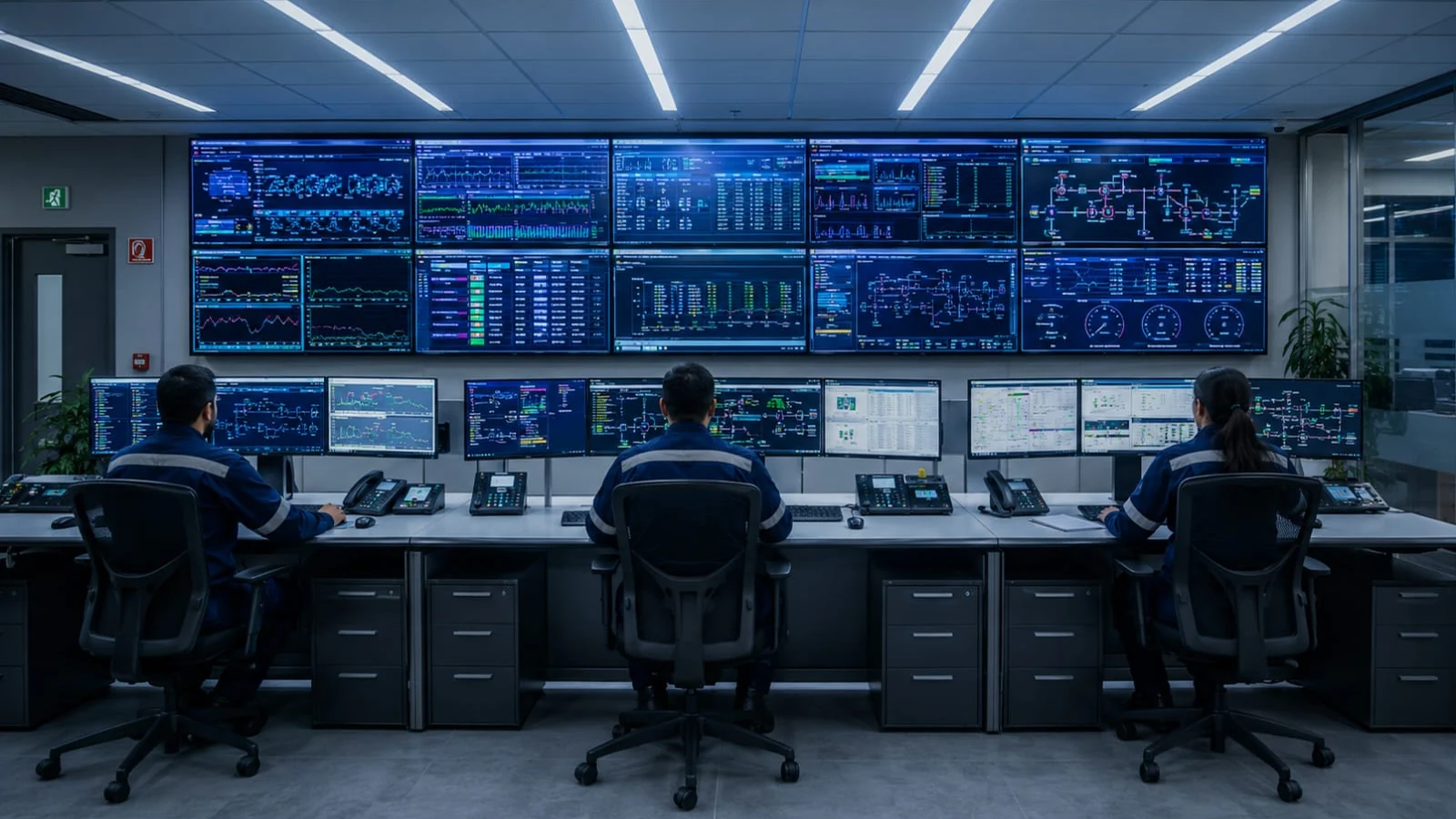
Architecture and infrastructure are planned based on the operators' workflow and experience.
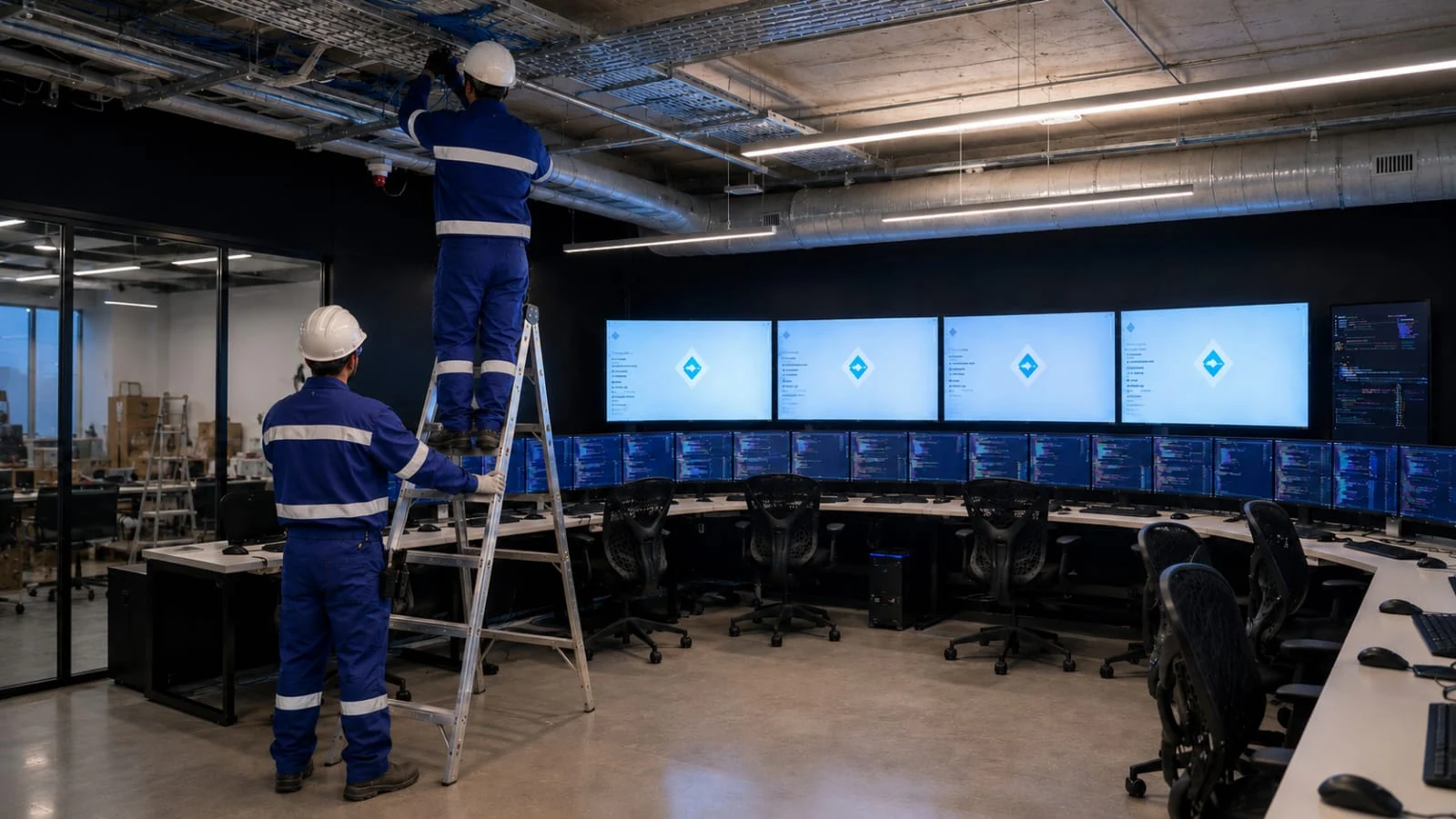
Content delivery and display solutions enhance collaboration and situational awareness.
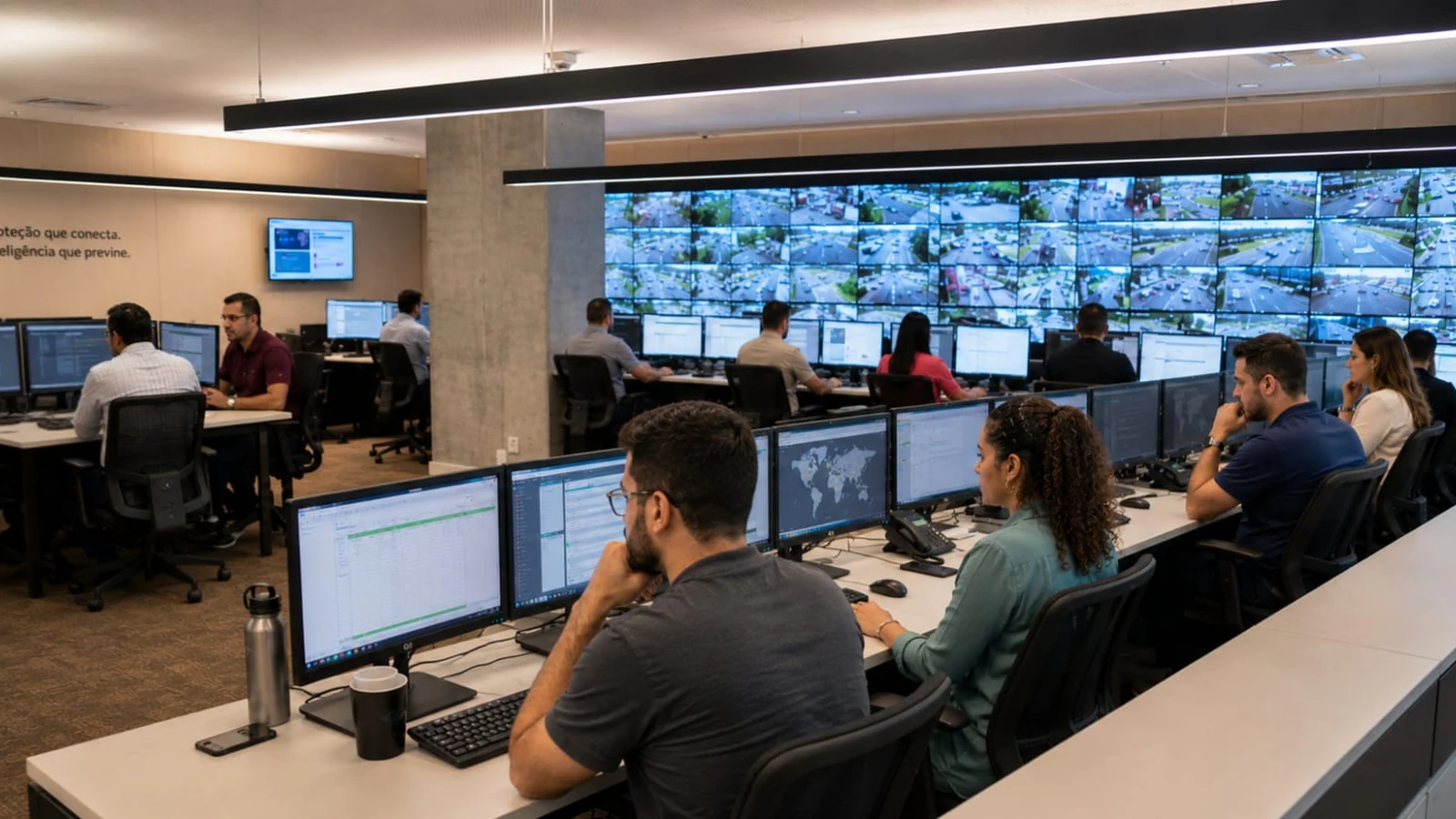
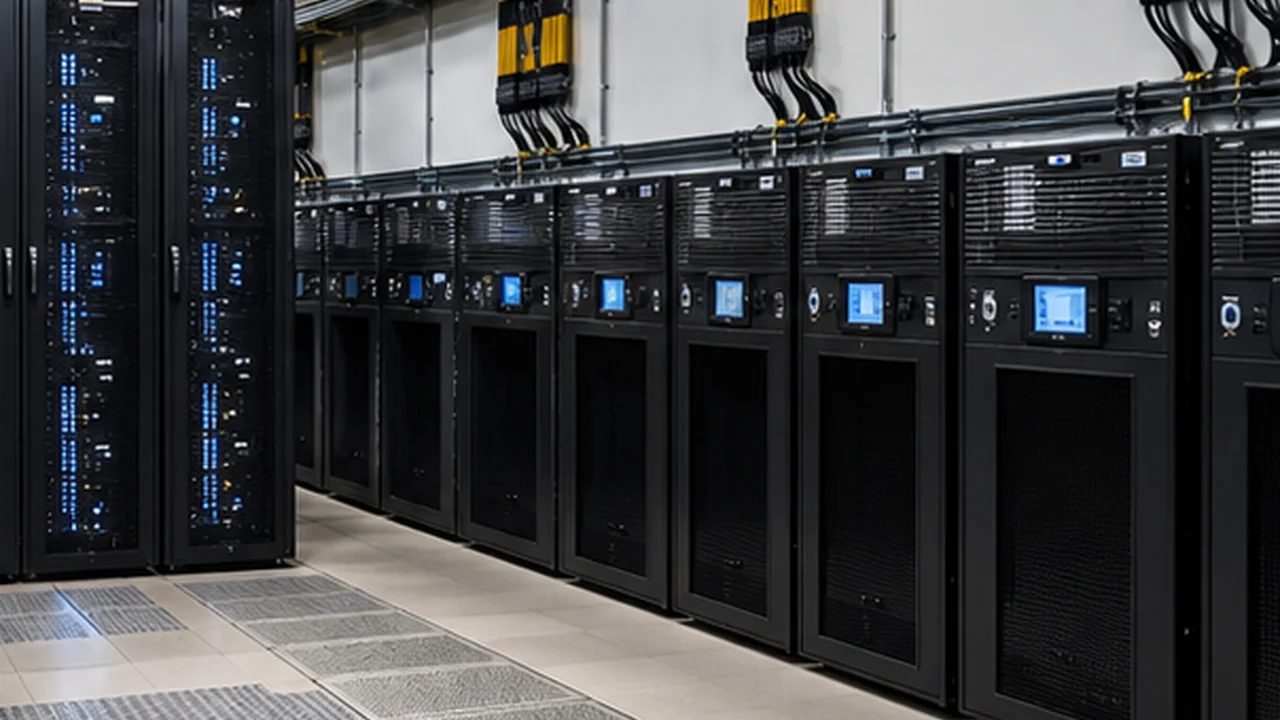
Power, communications and computing are designed to sustain the Center's critical systems.
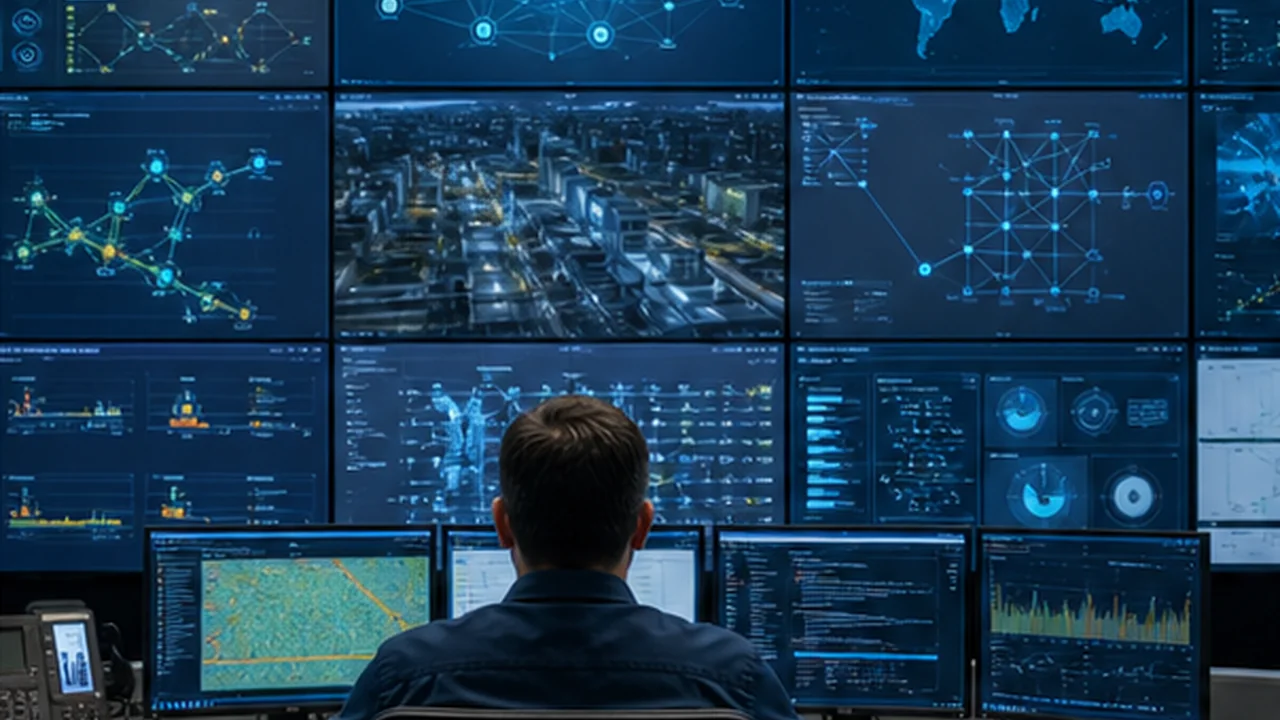
Information from different disciplines reaches a common operational layer.
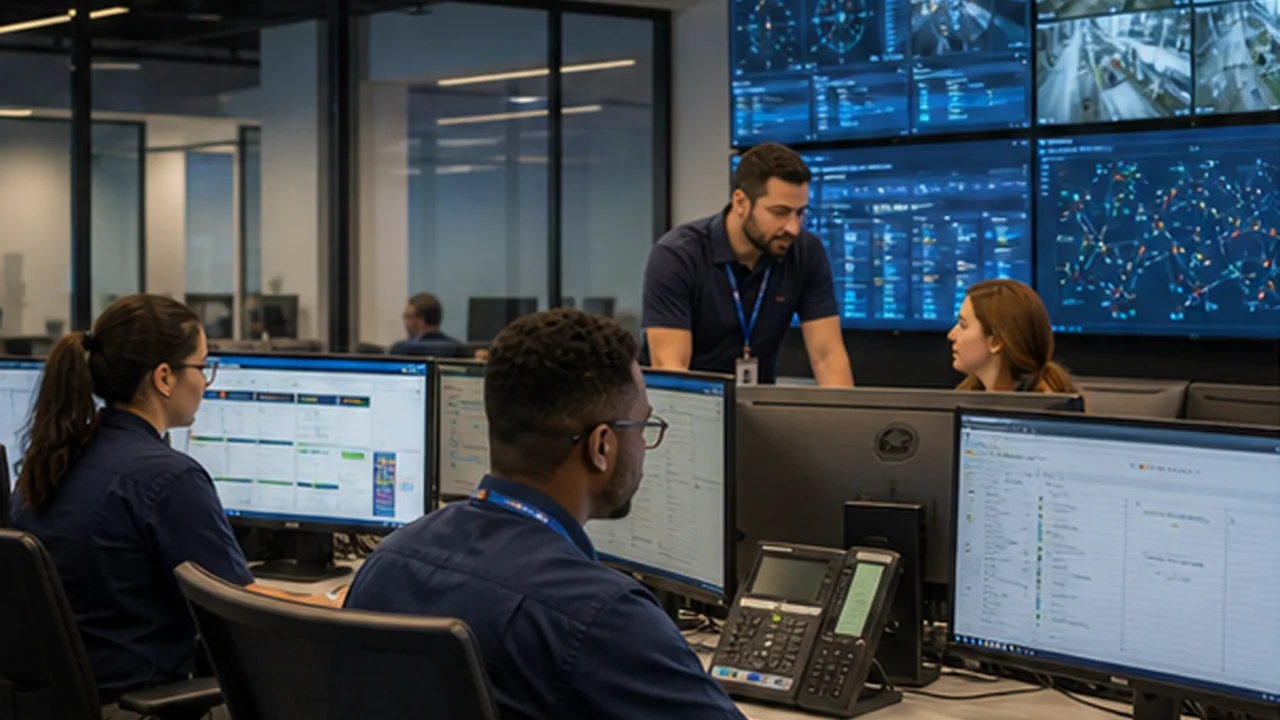
Physical and operational details help reduce distractions and facilitate collaboration.
The Intelligent Operations Centers developed by ConsulData go beyond a monitoring room. They integrate infrastructure, technology, people, and processes in an environment designed to monitor, analyze, and respond in real time to events that affect operational continuity. Each project combines artificial intelligence, engineering, ergonomics, availability, redundancy, and visualization technology, creating environments prepared for 24x7 operations and the continuous evolution of the organization.
Video surveillance, access control, IT and OT networks, Data Centers, energy, climate control, IoT, telemetry, automation, and corporate systems can be integrated into a unified operational view. This integration closes information gaps, increases situational awareness, and transforms thousands of events into strategic information for operators and managers. The result is faster, more accurate decision-making, greater team efficiency, reduced risk, and stronger business continuity.
Beyond technology, we assess each architecture from a life-cycle perspective, considering availability, maintenance, expansion, energy consumption, and TCO (Total Cost of Ownership). Every investment is therefore sized to provide the best balance of performance, reliability, sustainability, and cost over time.
More than an Operations Center, we build the brain of the operation: an intelligent, integrated, resilient environment prepared to transform data into decisions and decisions into results.
A continuous journey, from reading the environment to the evolution of the operation.
Objectives, constraints, risks, and the existing environment guide the starting point.
Disciplines, technologies and integrations gain a coherent and scaled solution.
Execution, testing, documentation and transition progress in a coordinated manner until go-live.
Indicators, support and new demands guide the continuity and improvement of the environment.
Events, images, telemetry and indicators no longer remain isolated in different areas.
Operators and managers access related information before deciding and activating teams.
Content can be shared between stations, video walls and rooms depending on the scenario.
Infrastructure and layout consider maintenance, new systems and future expansions.
Start with the flow of teams, critical systems and decisions that the environment needs to support.